

Persistent stress is one factor that may contribute to the development or maintenance of central sensitization and chronic pain in some individuals. Many people treat the mind and the body as if they operate on two completely separate tracks. For instance, we look for emotional solutions to emotional pressure, while seeking physical causes for physical pain. This often leads us to schedule massages for a tight shoulder, visit specialists for chronic gut issues, or take medication for unyielding joint pain. We treat each symptom as an isolated breakdown instead of looking at the nervous system as a whole.
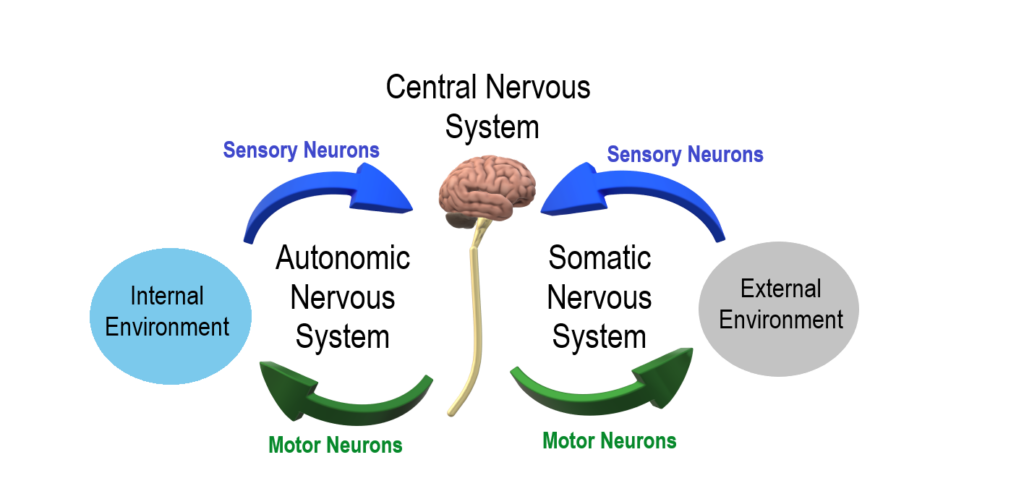
But your body does not live in silos. It operates as a single, beautifully interconnected ecosystem. The master communicator running this entire system is your central nervous system.
When life demands that you carry a heavy load for too long, your physiology must adapt to keep up. This happens whether you are managing a demanding career, navigating a difficult life transition, or holding back your own boundaries to support others. Under sustained pressure, the nervous system can enter a prolonged state of high alert. When emotional or environmental stress builds up over time, the body often reflects that internal strain through physical pathways.
It stops whispering through simple fatigue or baseline anxiety. Instead, it begins utilizing the clear, undeniable language of physical discomfort. This physiological adaptation is a process where the body’s natural defence mechanisms remain highly active.
Central sensitization is an active area of research. While it is increasingly recognized as an important contributor to some chronic pain conditions, experiences vary considerably between individuals, and no single explanation applies to all cases of persistent pain.
What is Central Sensitization?
To understand how stress interacts with physical suffering, it helps to look at the biology of how the human body processes physical sensation. Under standard conditions, your nervous system acts like a finely tuned home security system.
If you stub your toe or touch a hot surface, your tissue sensors send a warning signal up the spinal cord. Your brain interprets the signal, registers the discomfort, and prompts you to move away from danger. Once the area heals and the threat passes, the system naturally resets to a calm baseline.
How the Alarm System Becomes Sensitized
However, when a person experiences chronic, unresolved stress for long periods, chemicals involved in the body’s stress response, such as cortisol and adrenaline, may remain elevated. Over time, the nervous system can become accustomed to operating in a state of heightened alertness. Over time, this constant state of hyper-vigilance can alter how the brain and spinal cord process incoming data.
How the Alarm System Becomes Sensitized
However, when a person experiences chronic, unresolved stress, survival chemicals like cortisol and adrenaline can continuously circulate through the body. The system rarely gets the opportunity to fully drop back down to a restful baseline. Over time, this constant state of hyper-vigilance can alter how the brain and spinal cord process incoming data.
Researchers believe prolonged stress may contribute to changes in nervous system processing that are associated with central sensitization in some people. It effectively turns up the volume knob on sensory inputs. Consequently, the system can amplify normal or minor sensations, processing them as severe threats.
When this volume knob remains on a high setting, two distinct phenomena can occur:
- Allodynia: This happens when things that shouldn’t hurt suddenly cause discomfort. A light touch, the brush of clothing against your skin, or a mild temperature change triggers a massive, amplified response from an overprotective nervous system.
- Hyperalgesia: This happens when your system amplifies mild discomfort into intense pain. A small bump to your knee or a minor muscle strain can feel like a major injury because the neural volume knob is stuck on high.
If you are living with conditions like fibromyalgia, chronic fatigue symptoms, persistent tension headaches, or unexplained back pain, your physical suffering is completely real and undeniable. Because chronic pain is incredibly complex, a thorough medical evaluation by a qualified physician is always the essential first step to diagnose, treat, or rule out structural injuries, active inflammation, or underlying medical conditions.
However, alongside your medical treatments, exploring the functional and nervous system side of wellness can be a powerful ally. You may be navigating a biological change in how your system regulates sensation—a state where your neural alarm pathways are working overtime to protect you.
The Hidden Stressors Behind Central Sensitization and Chronic Pain
It is quite common for individuals navigating a highly reactive system to carry an immense amount of unseen daily pressure. This internal strain often builds up when people hide their struggles behind a highly capable, resilient mask. We looked at this behavioral pattern closely in our previous article on The High Price of the Perfect Veneer.
In many cases, the hidden factors underlying central sensitization and chronic pain show up in two opposite ways:
- The Caretaker: You might manage everyone else’s world before your own. You balance demands, anticipate needs, and organize life for family, friends, or pets. Your nervous system locks into a constant, hyper-vigilant state of doing.
- The Dependent: Conversely, injury, illness, or life circumstances may force you to rely heavily on others. Instead of over-functioning, you might carry a quiet weight of guilt. Your nervous system can experience stress from a perceived loss of autonomy or the painful belief that you are a burden.
Whether your system is wound up from exhaustion or from feeling trapped, the emotional and physical strain is immense. The physical pain is not imaginary. It is a profound, biological reality. Your nervous system may have become highly protective, amplifying signals in ways that can contribute to ongoing pain and discomfort. Emotional stress, unmet needs, and life pressures may be among the many factors influencing this process.
Turning Down the Volume: Finding Relief from Central Sensitization and Chronic Pain
When managing a highly sensitized nervous system, traditional biomechanical approaches and physical recovery tools offer baseline support for your physical structural health. However, addressing the mind-body connection can provide a valuable, complementary piece of your overall care. Digital tools focused on evidence-based neural retraining, such as the Curable App, help individuals process chronic symptoms by directly addressing the nervous system.
To support lasting relief from central sensitization and chronic pain, it helps to work directly with the automatic conditioning and neural pathways that influence how your alarm system reacts. Supporting a sensitized nervous system involves shifting focus away from fighting the body, and moving toward cultivating a deep, internal sense of safety:
- Soothing the Nervous System: Targeted grounding techniques, somatic awareness, and mindful attention help introduce calm data to your body. This gradual process helps encourage the hyper-reactive pathways in the spinal cord to settle.
- Resetting Automatic Stress Responses: The urgency to over-deliver, ignore personal boundaries, and minimize your own needs often lives deep within your day-to-day behavioral conditioning. By utilizing collaborative relaxation and focus tools, such as clinical hypnotherapy, we can access these deeply ingrained habits. Many people find that approaches such as clinical hypnotherapy, relaxation training, and mindfulness can help reduce stress reactivity and support nervous system regulation.
- Shifting from Deficit to Overflow: Lasting physical health means building an internal ecosystem where you can safely exist alongside the people you care for. As your system regulates, the internal alarm can begin to settle, many people find the volume begins to come down over time, and your body can step out of its survival loop.
A Season of Support, Relief for a Lifetime
Living with chronic pain and a sensitized nervous system is a profoundly exhausting, isolating experience. It can make you feel like an absolute stranger in your own skin, constantly waiting for the next flare-up to disrupt your life.
But if this is your reality, your body is not failing you. It is operating in an overprotective loop, using the primary physiological language it has available to signal a need for safety.
Investing in a dedicated season of retraining an overprotective nervous system and adjusting automatic stress habits is a compassionate, supportive step toward wellness. It provides the structured scaffolding required to help your system step down from high alert, calm those overactive pathways, and rebuild a steady foundation of self-trust and ease. You do not have to live at the mercy of an amplified alarm system. Working collaboratively, we can aim to turn the volume down, allowing your mind and body to find a state of quiet, lasting calm.
If you are tired of a body that feels constantly on edge and are ready to discover what true nervous system safety feels like, I invite you to reach out. Let’s collaborate on a tailored, supportive approach to quiet your system and complement your healthcare journey.
Visit the Contact Page to Schedule Your Consultation
Professional Disclaimer: The content on this website is for educational and informational purposes only and is not a substitute for professional medical advice, diagnosis, or clinical psychotherapy. Always seek the direct advice of your physician or other qualified healthcare providers with any questions you may have regarding a medical condition or physical diagnosis.